


Loveness Uroki
Finance Officer & CPA STUDENT
Loveness Uroki has been employed as a Finance Officer at TRCO since September 2023. She holds a Bachelor of Science in Economics and Finance from the Institute of Accountancy in Arusha (IAA). Upon completing her studies at IAA, Loveness began her professional career at the Higher Education Student Loans Board, where she served as a contract Loan Officer. In this role, she played a key role in managing financial records, preparing detailed reports, and contributing to budget development and financial statements. Concurrently, she gained valuable experience in financial management and taxation while working with NTN Consultant Limited.
In 2025, Loveness started her Certified Public Accountant (CPA) professional qualification, which is fully sponsored by TRCO as part of the organization’s commitment to staff capacity development. At TRCO, she is responsible for managing financial reports, monthly budget reports, and other financial and administrative functions. She also conducts periodic assessments of procurement activities to ensure strict adherence to procurement plans, donor requirements, and TRCO’s internal policies and manuals, thereby strengthening the organization’s financial accountability, compliance, and sustainability.
Leon Hermenegild
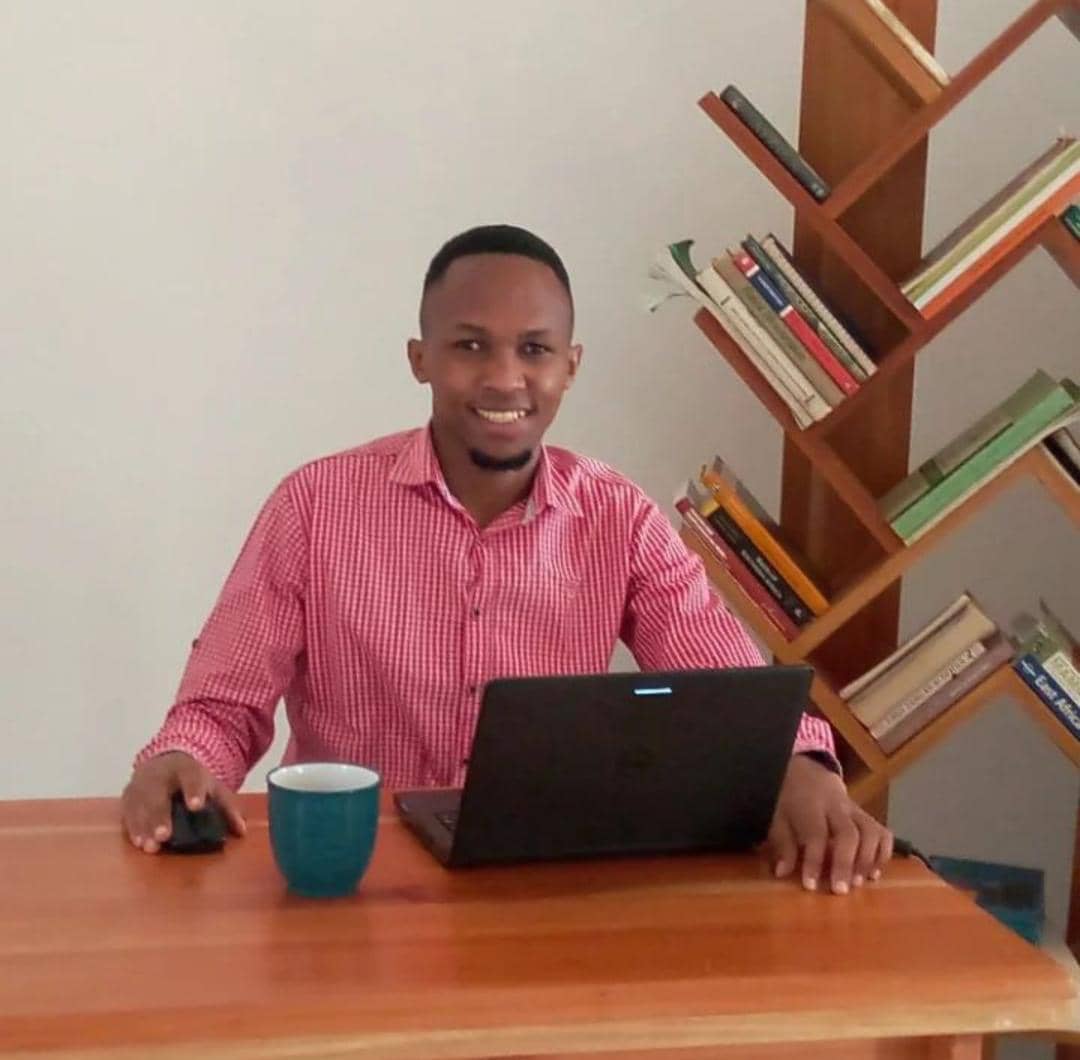
Research Assistant and MSC. STUDENT
Leon Hermenegild is a dedicated and talented researcher currently employed as a Research Assistant at TRCO, a position he has held since September 2023. Prior to this role, he served as an Intern at TRCO, where he demonstrated strong research capacity and commitment to conservation work. Leon holds a Bachelor’s degree in Wildlife Management, which he earned with Distinction from the College of African Wildlife Management in 2022. He also possesses a Diploma in Animal Health and Production obtained from the Livestock Training Institute, Morogoro Campus, in 2018.
Leon conducted research on the use of trained detection dogs in combating wildlife crime, with case studies at Kilimanjaro International Airport, Manyara Wildlife Ranch, Mkomazi National Park, and Serengeti National Park. Recognized as a top-performing candidate, he further advanced his career by volunteering with the Honeyguide Foundation and the Tanzania Elephant Foundation, where he gained hands-on experience in applied conservation and field research. His strong technical skills and proven dedication led to him becoming the first Research Assistant recruited by TRCO.
In November 2025, Leon commenced a Master of Science in Wildlife Ecology at the University of Dar es Salaam. His postgraduate studies are supported by the Giraffe Conservation Foundation (GCF) and TRCO, reflecting confidence in his potential to contribute meaningfully to wildlife conservation research and practice.
Jemsi Mwambenga
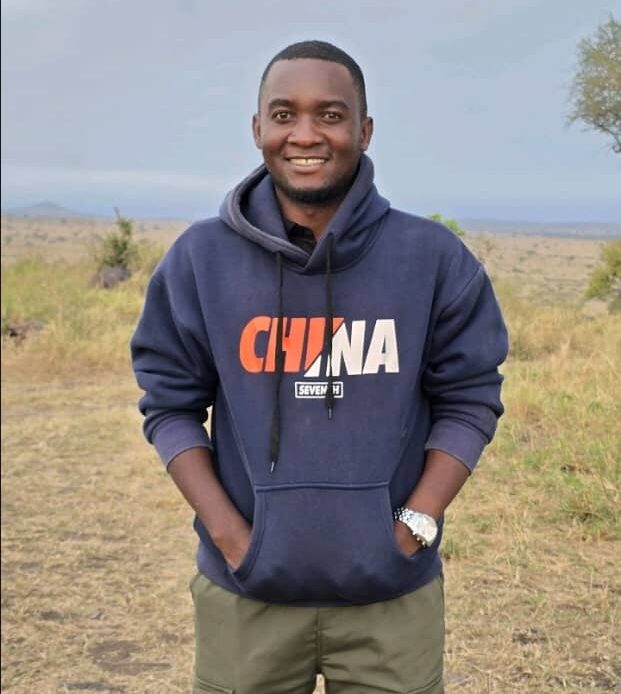
MSc Student
Jemsi Mwabenga is an emerging conservation scientist currently pursuing a Master of Science in Ecosystem Science and Management at Sokoine University of Agriculture (SUA), a program he started in 2024. He holds a Bachelor of Science in Wildlife Management from the same institution, which he completed in 2022. Jemsi aspires to build a career in academia as a university lecturer, with a strong commitment to mentoring young researchers and conservation practitioners through teaching, supervision, and knowledge sharing.
His MSc research focuses on assessing the impacts of the proposed electric fencing in the western Serengeti on wildlife, livestock, and vegetation structure. This research addresses critical questions related to ecosystem management and human–wildlife interactions in one of Tanzania’s most ecologically significant landscapes. His research is funded by the Grumeti Fund through the Research for Impact and Sustainable Ecosystems (RISE) programme. Jemsi’s research is jointly supervised by Dr. Jacqueline Kajembe (Sokoine University of Agriculture, Tanzania) and Mr. Michael Kimaro (University of Groningen, Netherlands).
In recognition of his academic excellence and research potential, Jemsi has been nominated by Sokoine University of Agriculture to pursue an additional Master of Science in Geography of Environmental Risks and Human Security at the University of Bonn, Germany, during the 2026 summer semester under the Erasmus+ Programme.
Capacity building is a core pillar of TRCO’s mission, and the organization is proud to support Jemsi in achieving his academic and professional ambitions, particularly in ecosystem management and human–wildlife conflict mitigation. TRCO provides support for his tuition fees and stipend, while the Grumeti Fund covers all research-related costs. TRCO will continue collaborating with Jemsi beyond the completion of his MSc and will support him in laying a strong foundation for future PhD studies.
Baraka Salema
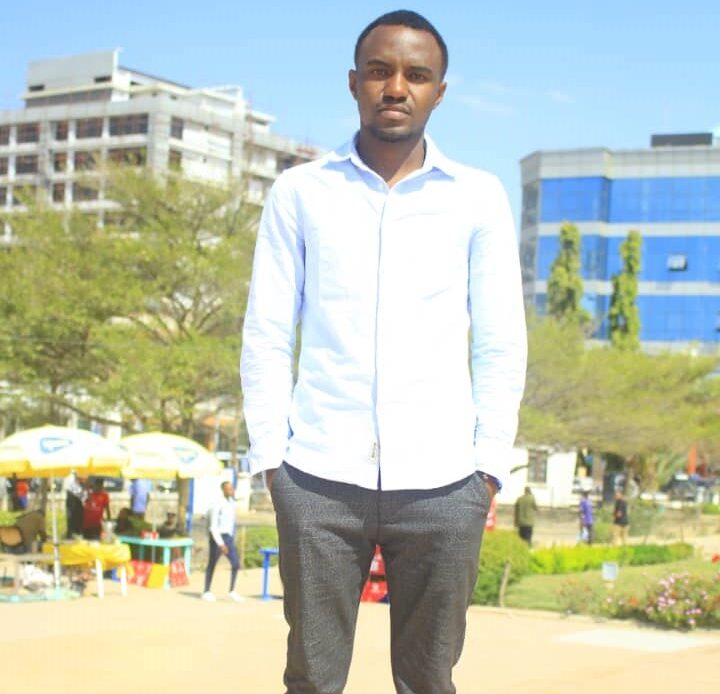
MSC. STUDENT
Baraka Salema holds a Bachelor of Science in Mechanical Engineering from the Dar es Salaam Institute of Technology (DIT). In November 2025, he started Master of Science in Engineering (Sustainable Energy Engineering) at DIT, Tanzania. His postgraduate training is supported by TRCO, which will cover his tuition fees, monthly stipend, stationery, and essential academic equipment as part of the organization’s commitment to capacity building and innovation-driven conservation solutions. Funding for his MSc research component is currently pending and will be sought through complementary partnerships and research support mechanisms.
Baraka is a strategic asset to TRCO, particularly in advancing the organization’s goal of reducing reliance on natural resources by local communities through the promotion of clean, affordable, and scalable energy solutions. His academic training will strengthen TRCO’s capacity to integrate innovation and technology into conservation practice, while building national leadership in sustainable energy development.
Upon completion of his MSc degree, Baraka’s expertise will contribute to transformative energy solutions at both household and national levels in Tanzania. His work is expected to enhance human–biodiversity coexistence by linking sustainable energy transitions with improved livelihoods, reduced environmental pressure, and long-term wildlife conservation outcomes.