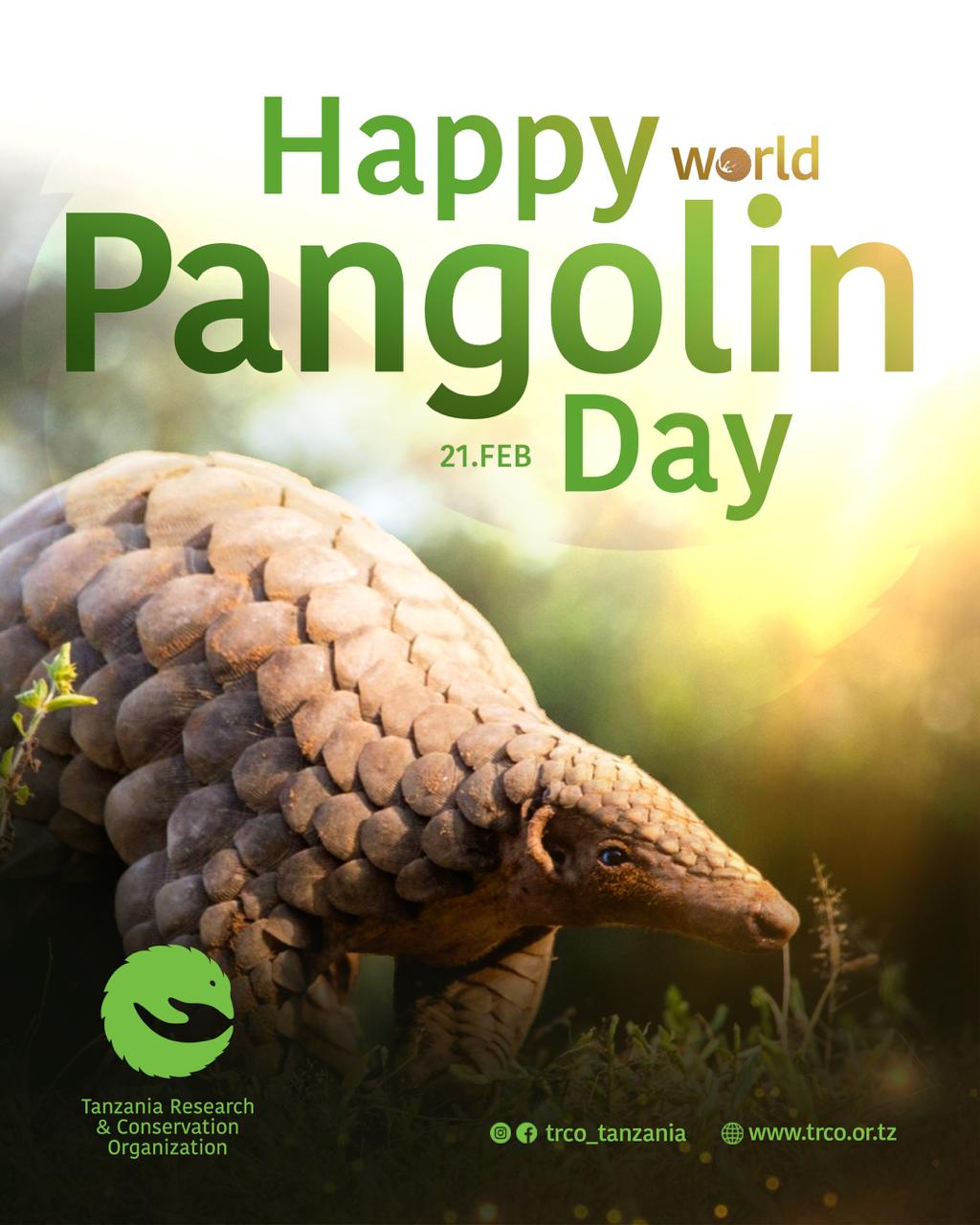

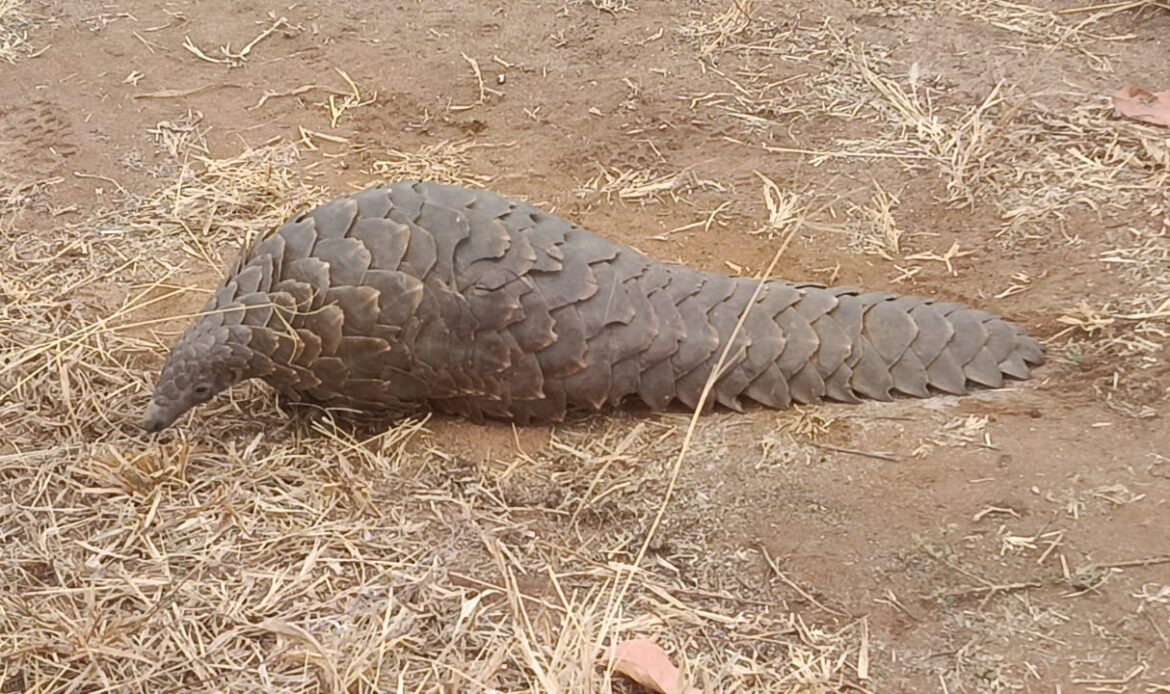
On this World Pangolin Day, the Tanzania Research and Conservation Organization (TRCO) reaffirms its commitment to safeguarding pangolins across Tanzania’s landscapes from village lands and wildlife corridors to protected areas and national policy platforms.
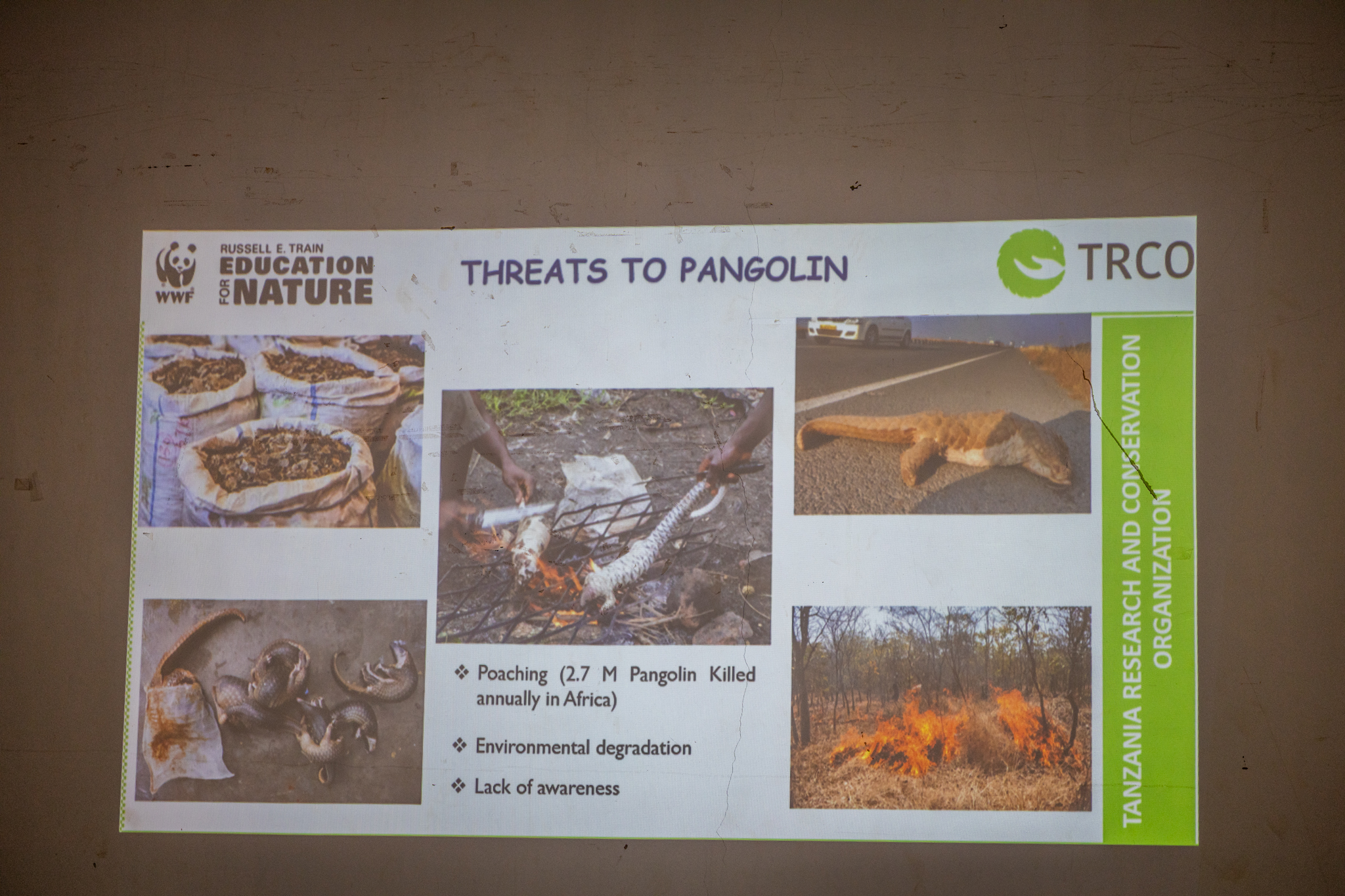
Pangolins remain among the most trafficked mammals globally. In Tanzania, despite full legal protection under the Wildlife Conservation Act, illegal harvest, use, and trade persist. Our research across Ruaha, Burigi-Minziro, Nyerere-Udzungwa, Lake Manyara-Tarangire, Amani-Nilo landscapes, and Gombe-Mahale-Muyowosi landscapes confirms that pangolins face pressure from opportunistic capture, organized trade networks, and cross-border trafficking dynamics.
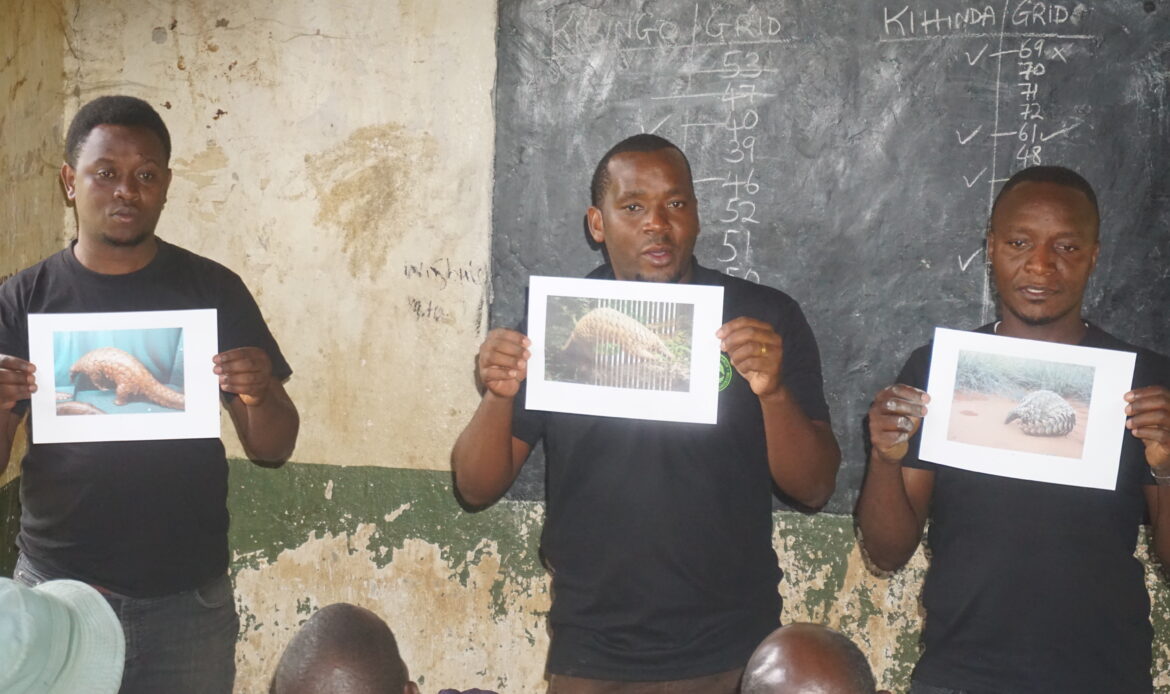
Local communities frequently encounter pangolins on village and rangeland lands, not only in national parks. Many community members demonstrate positive attitudes toward conservation and express willingness to engage in protection efforts when equipped with appropriate knowledge and tools.
Through collaborative partnerships, TRCO has:
- Trained more than 200 stakeholders in pangolin monitoring, rescue, and reporting.
- Developed and piloted a national mobile reporting platform for real-time pangolin incident documentation.
- Advanced provisional national Standard Operating Procedures (SOPs) for handling, releasing, and monitoring rescued pangolins.
- Generated evidence contributing to the pathway toward a National Pangolin Conservation Action Plan through its research findings.
Our findings confirm that pangolins utilize wildlife corridors such as Kwakuchinja, Amani-Nilo, and Nyerere-Selous-Udzungwa, highlighting the critical importance of landscape connectivity. They also underscore that illegal trade incentives remain strong, driven by high black-market prices and cross-border demand.
Pangolin conservation in Tanzania must therefore be multi-layered:
- Strengthened community awareness and livelihood alternatives
- Enhanced enforcement and dismantling of trafficking networks
- Standardized national rescue and rehabilitation protocols
- Habitat protection and restoration
- Continued investment in research and data-driven decision-making
- Regional and international cooperation
Conservation success depends on collaboration.
From households and village councils to national institutions and international partners, pangolin survival requires shared responsibility, coordinated action, and sustained commitment.

On this World Pangolin Day 2026, TRCO calls upon policymakers, conservation agencies, researchers, local communities, and development partners to strengthen collective efforts toward a future where pangolins thrive across Tanzania’s ecosystems.
Protecting pangolins is not only about saving a species — it is about safeguarding biodiversity, strengthening governance, and ensuring that conservation and community well-being advance together.
Together, we can secure a future for Tanzania’s pangolins.