

Far in the northwestern part of Tanzania, at the point where the shores of Lake Victoria intersect the Burigi-Minziro Landscape forest, a silent yet critical issue for conservation is developing. In these areas, where elephant communities move around various conservation areas and agricultural farms, people are dealing with living alongside such majestic but occasionally destructive species of wildlife.
With the help of The Rufford Foundation, we wanted to uncover one of the most urgent issues of contemporary conservation – human-elephant conflict. However, from the very beginning, we understood that we needed to come to the villages, talk to the local farmers, hear the concerns of the mothers and the opinions of the community leaders.
What we did
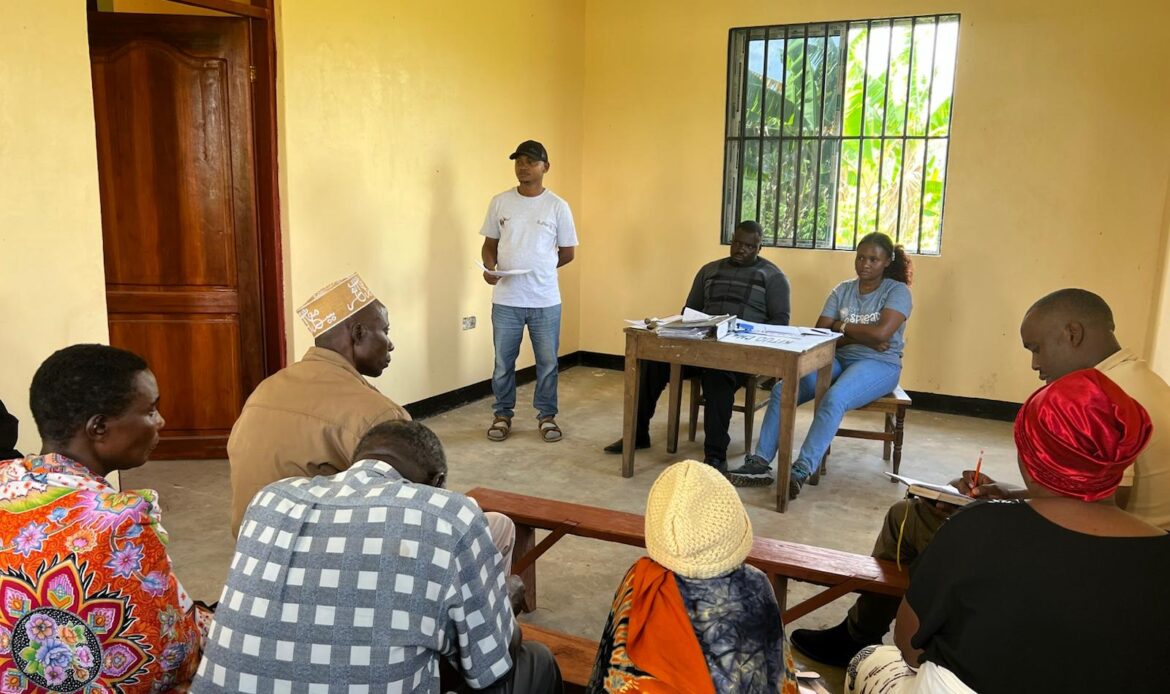
The team visited six different villages; namely, Kibwera, Katanda, Nyankere, Kakindo, Muramba, and Mshabaigulu in the landscape of Burigi-Minziro in order to find out more about human-elephant conflicts as seen from the perspective of those suffering the most from the problem.
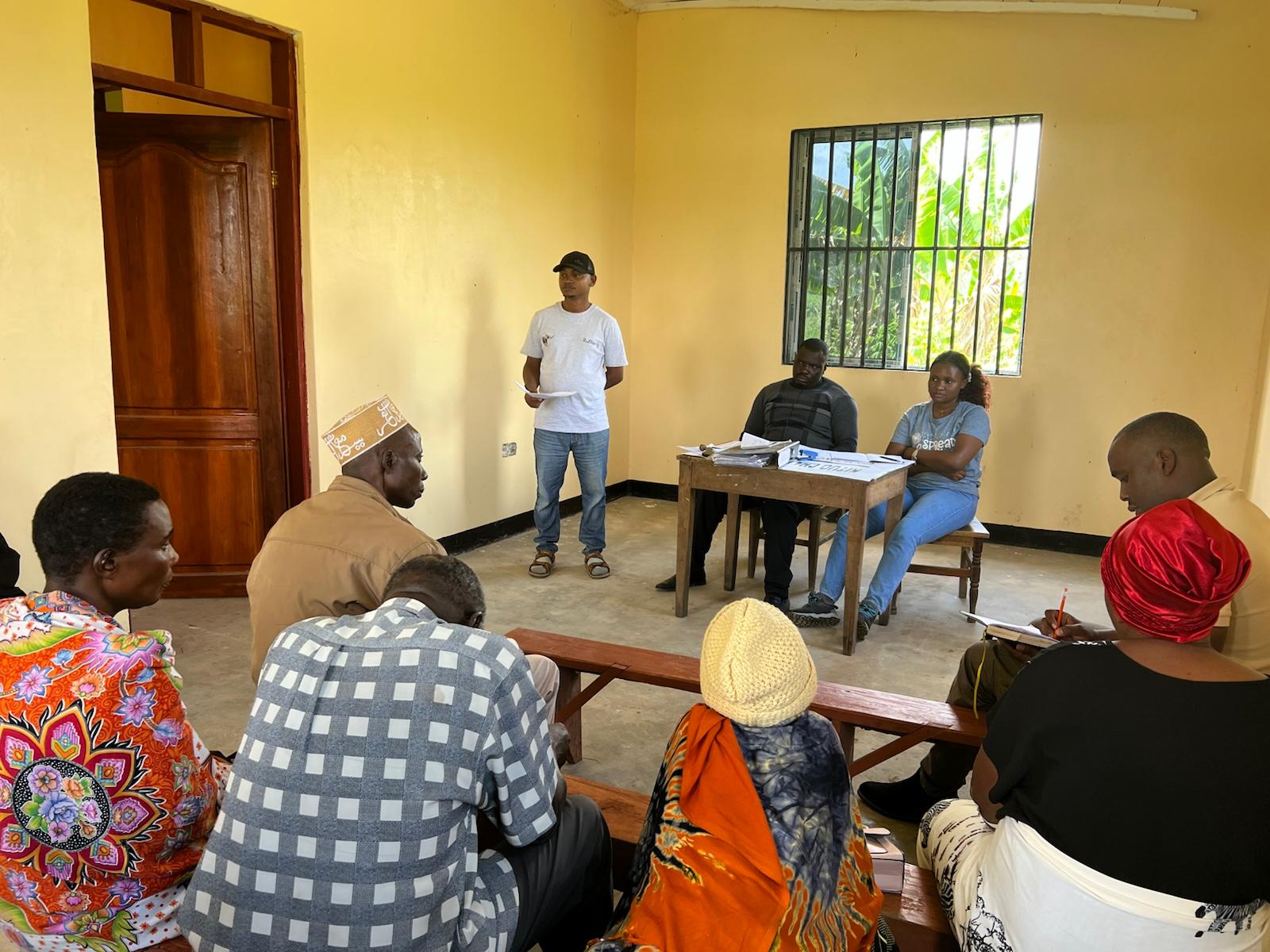
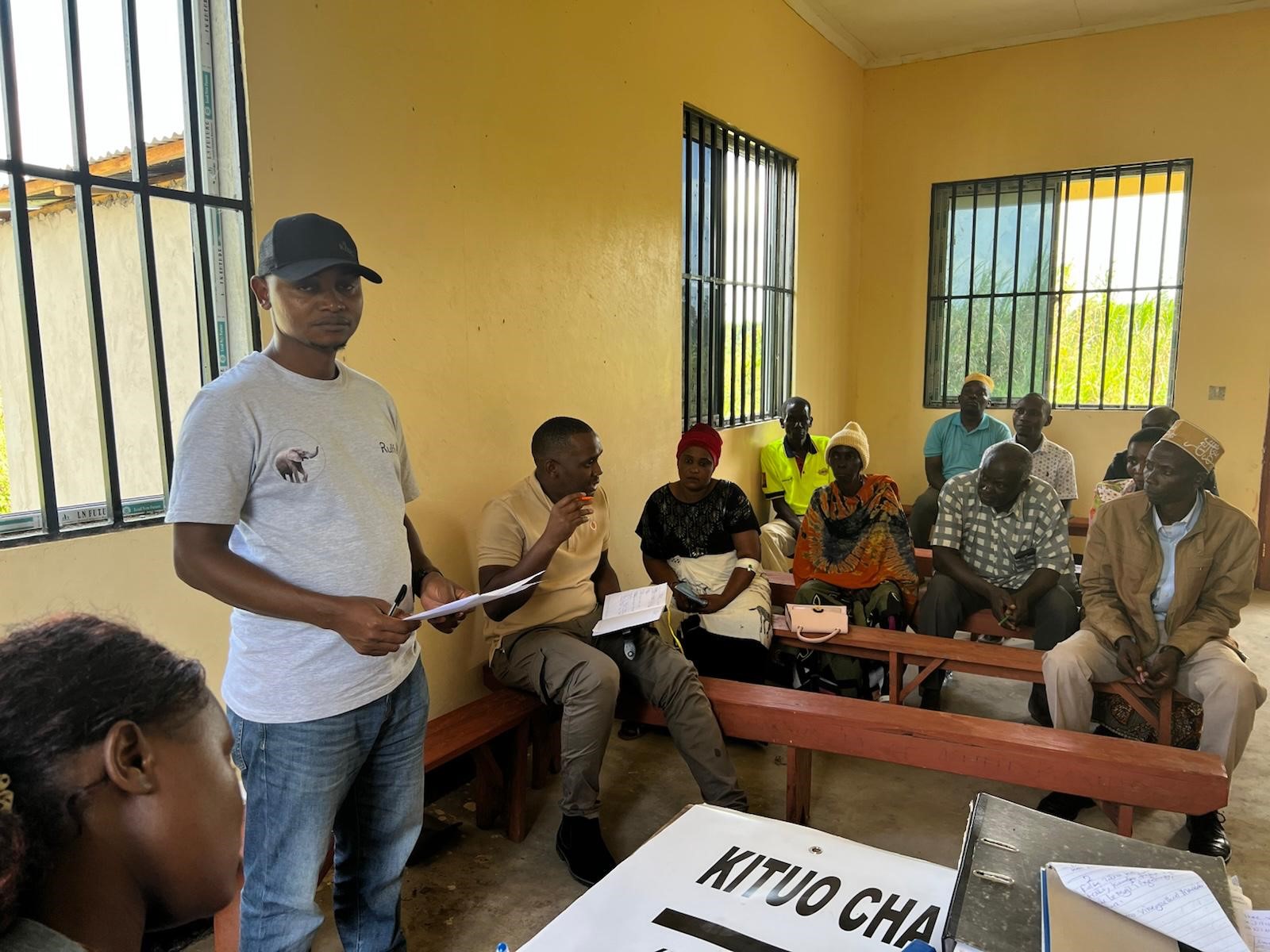
In all six villages we conducted Focus Group Discussions, inviting farmers, community representatives, local authorities, representatives of different livelihood groups. Equal representation of women and men was assured in all focus groups because the impact of wildlife conflict is different for everyone and therefore the solution has to reflect the interests of everyone.
Participants expressed their concerns, experiences, and offered ideas of the possible solutions to the problem. In particular, they mentioned what time of year the elephants come, which crops they destroy, and how it feels when the entire family leaves its home at night in order to avoid being attacked. However, the participants recommend village elephants response teams, better information on elephant behavior and safe way to improve coexistence, and alternative livelihoods.
Every discussion led to the same conclusion; there was an increase in conflict. The traditional means of repelling elephants such as beating drums, lighting fire, and making noise did not work anymore since elephants have learned that these means were not real threats. Lack of coordinated systems for dealing with this problem left people to fend for themselves.
We heard stories about the false assurance of compensation that either was not there or came too late to be of any use. We heard about the lack of by-laws that would direct communities in dealing with this conflict. We heard about children who encountered elephants on their way to school. We heard about the aspirations of earning a living from something else but vulnerable crops; beekeeping, fishing, small livestock.
Here is the Focus group discussion going on for the Kakindo village.
From Listening to Action
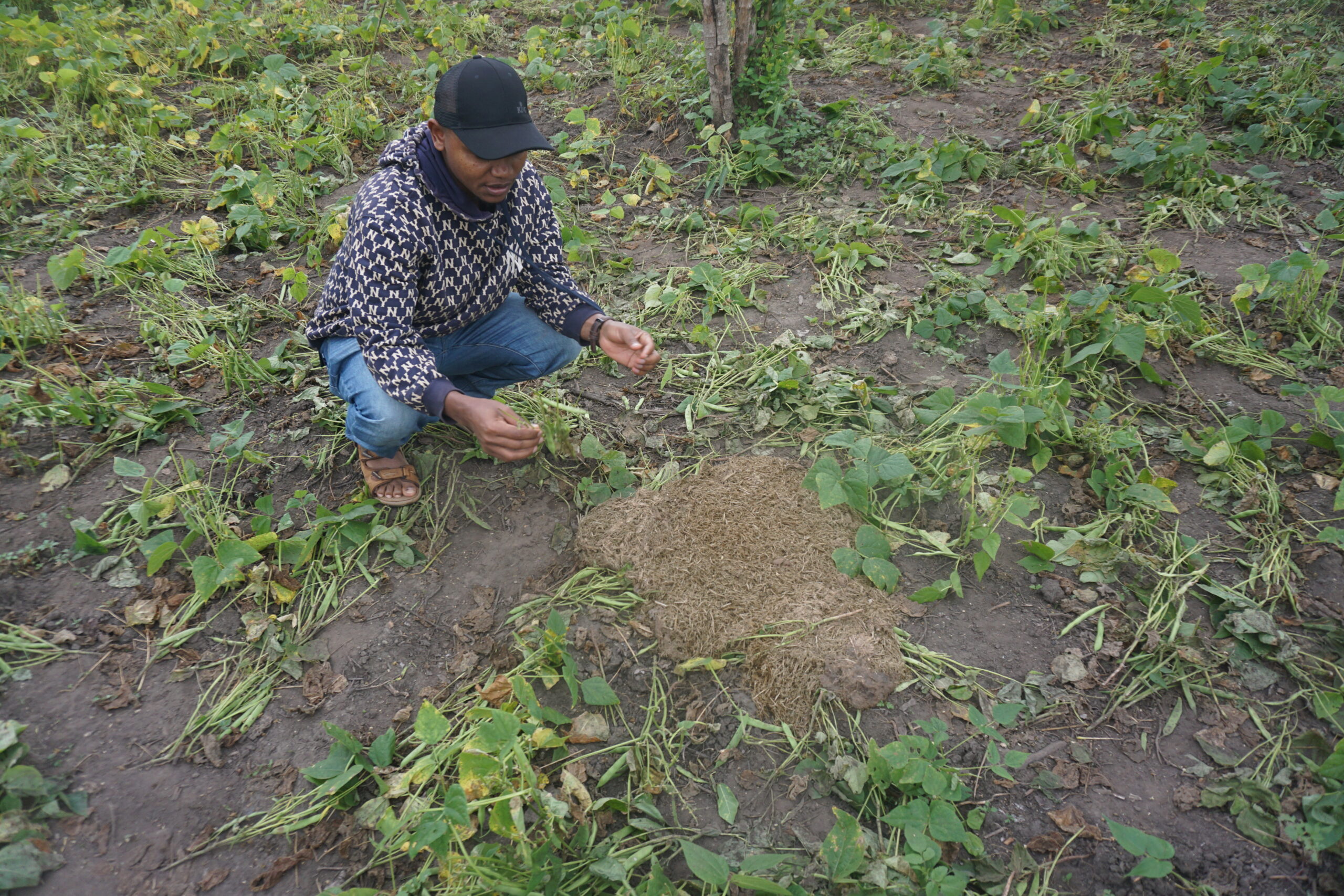
This research has focused on listening. But listening is only the beginning. The communities we interacted with have clearly defined plans about what needs to be done. They suggested at least presence of one Elephant Rapid Response Teams (ERRT) equipped with specific training and affordable equipment’s such as torches, whistles, communication tools, and rain coats so as to be able to act once the elephant’s incidences in their villages. They also recommended the conservation awareness programs in their villages on how elephants behave, how to stay safe and protect their farms. This information should be in easily readable materials in Kiswahili. In other cases, majority prefer presence of electric fence to protect their farms and keep elephant inside the park, and effective ways of using beehives fences to prevent elephants from entering their farms and how to use such methods as an income generating activities as they heard from other places where these methods are used.
Partnership
We are extremely grateful to The Rufford Foundation for funding this project and making the views of the people who have had to deal with human-elephant conflict for many years but never had the chance to air their views before decision makers. Kakindo, Kibwera, Katanda, Nyankere, and Mshabaigulu will receive priority interventions. This will allow the people of those villages to implement the findings which came out of the discussions held in this project.
Nevertheless, the magnitude of the problem calls for collaboration between different stakeholders, donors. Therefore, we seek the involvement of different conservation groups, donors, government authorities, and the private sector in providing extended training to response teams, implementation of educational programs, and provision of alternative means of livelihood in the Burigi-Minziro landscape. For more information please check us in this email: info@trco.or.tz