

Community-Led Ecosystem Restoration & Climate Resilience
TRCO restores degraded wetlands, rivers and forests together with the communities who depend on them bringing back biodiversity, water and climate resilience across Tanzania’s most vulnerable landscapes.
Ecosystem restoration
Native trees and assisted natural regeneration to recover habitats, soils and water.
Community engagement
Restoration groups, environmental education and participatory land-use planning.
Sustainable livelihoods
Alternative incomes and energy-efficient technologies that ease pressure on nature.

Bushenya Forest Landscape Restoration (2024/2025)
The Bushenya Forest Reserve in Missenyi District, Kagera Region, is one of the region’s most important catchment forests about 9,000 hectares that hold water, wildlife and livelihoods together. Nearly 4,000 hectares are now severely degraded by farming encroachment, illegal harvesting and fire, drying the Kanjanja and Byeju lakes and worsening floods in Bunazi Town.

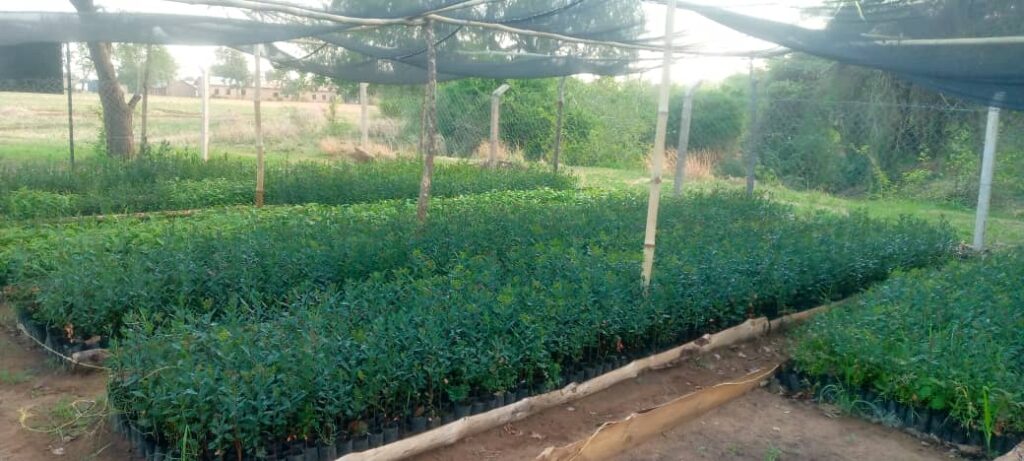
With Missenyi District Council, TRCO raised a nursery of 35,000 indigenous seedlings. 16,000 were planted in degraded sections of the reserve and key watersheds; the rest went to schools, homesteads and community woodlots extending tree cover and stewardship beyond the reserve boundary.


Mbarali River Sub-catchment Freshwater Restoration
The Mbarali sub-catchment feeds the Great Ruaha River system. TRCO assessed 200 water sources wetlands and springs across 20 villages and found roughly 65% under human pressure. Working through Water User Associations, we raised 40,000 water-friendly native seedlings and began replanting riparian zones and springs, starting in five villages.


Planting is done hand-in-hand with local communities and Water User Associations, who take ownership of the restored springs, riverbanks and water sources.


Impact so far
Join us
TRCO welcomes government institutions, conservation partners, researchers and donors to help scale this work restoring forests and freshwater, protecting biodiversity, and building a climate-resilient future. Get in touch to partner with us.