

TRCO works with local communities and partners to restore degraded forests, river catchments, freshwater sources and other important habitats across Tanzania.
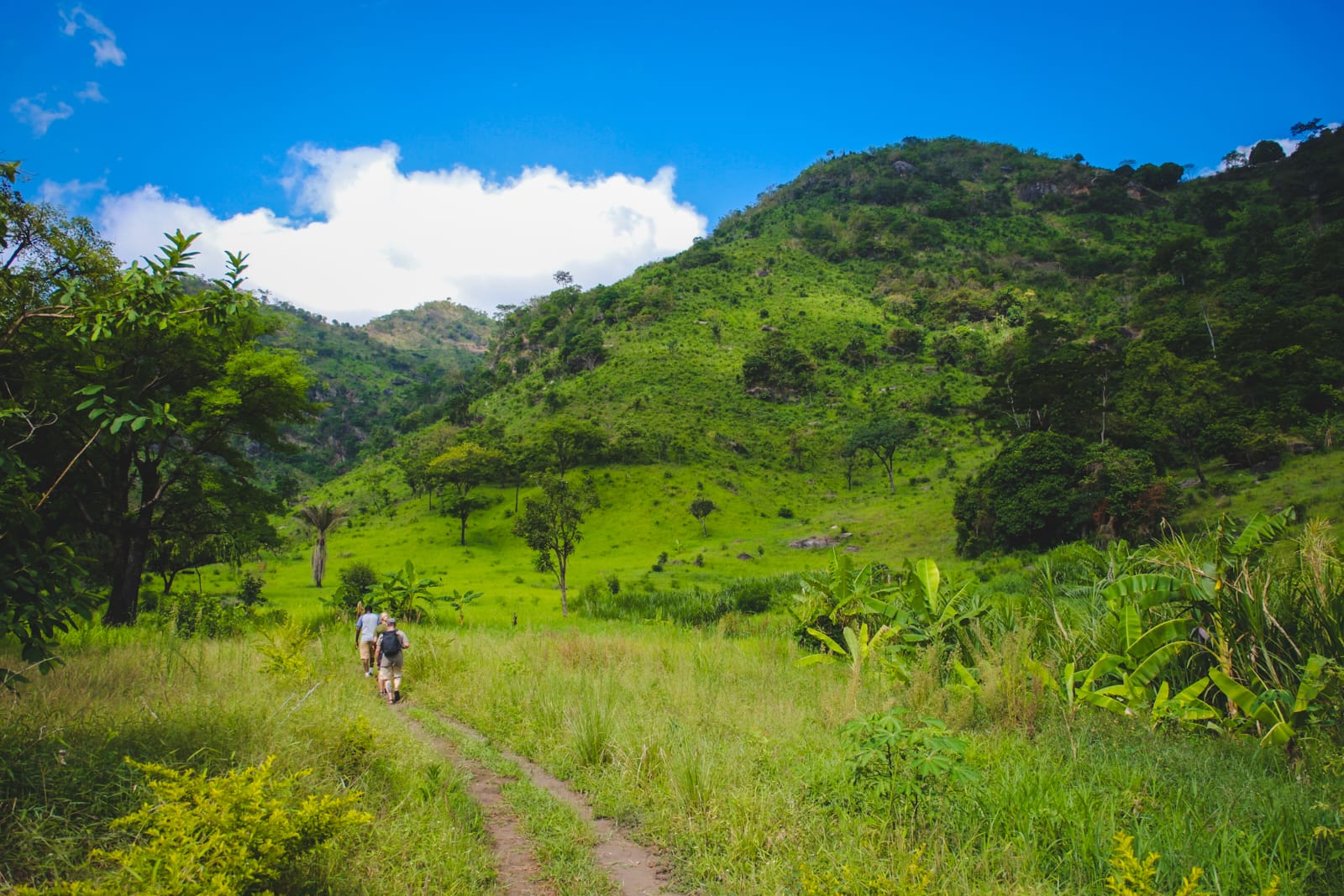 Uvidunda Mountains, Morogoro Region.
Our restoration work goes beyond tree planting. We combine ecological restoration, community participation, research and monitoring, and sustainable livelihood approaches to address the underlying pressures affecting ecosystems and strengthen their long-term resilience.
Our Restoration Approach
TRCO works with communities and technical partners to identify degraded areas, understand the pressures affecting them and implement locally appropriate restoration actions.
Depending on the landscape, our work includes community tree nurseries, native tree planting, restoration of riverbanks and freshwater sources, agroforestry, erosion control, habitat restoration and ecological monitoring.
Communities participate throughout the restoration process—from identifying priority areas and producing seedlings to planting, maintenance and long-term stewardship.
-
01 →Assess Map degraded areas and the pressures on them
-
02 →Restore Plant native trees and stabilise riverbanks
-
03 →Engage Communities lead nurseries, planting and care
-
04 →Monitor Track tree survival and ecosystem recovery
-
05Sustain Link restoration to lasting local benefits
Our Restoration Landscapes
TRCO’s restoration programme currently spans three landscapes in Morogoro, Mbeya and Kagera regions.

 Featured landscape · Morogoro Region
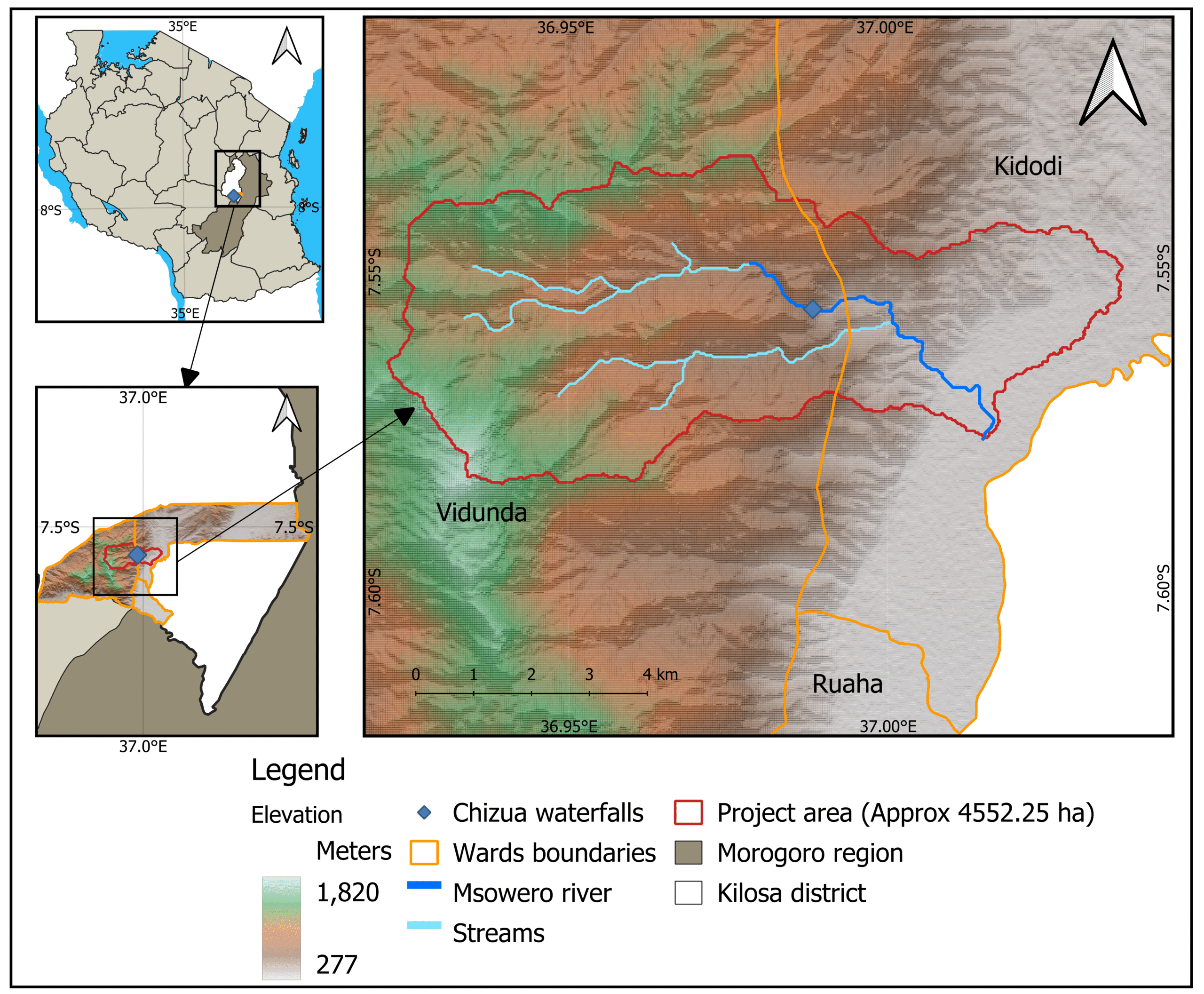
Uvidunda Mountains – Msowero River Catchment
In the Uvidunda Mountains of Morogoro Region, TRCO is working with local communities and partners to support restoration of the Msowero River catchment, an approximately 4,552-hectare mountain catchment supporting water resources, agriculture, biodiversity and local livelihoods.
The catchment faces increasing pressure from vegetation loss, cultivation close to waterways, agricultural expansion, soil erosion and other land-use activities.
TRCO’s work focuses on community seedling production, native tree planting, restoration of degraded riverbanks and other priority areas, and strengthening community stewardship of the catchment.
Community groups, including Marafiki wa Milima ya Uvidunda, are participating in nursery and restoration activities.
Connecting Restoration and Nature-Based Tourism
Restoration in the Uvidunda Mountains is also being linked with community-based nature tourism.
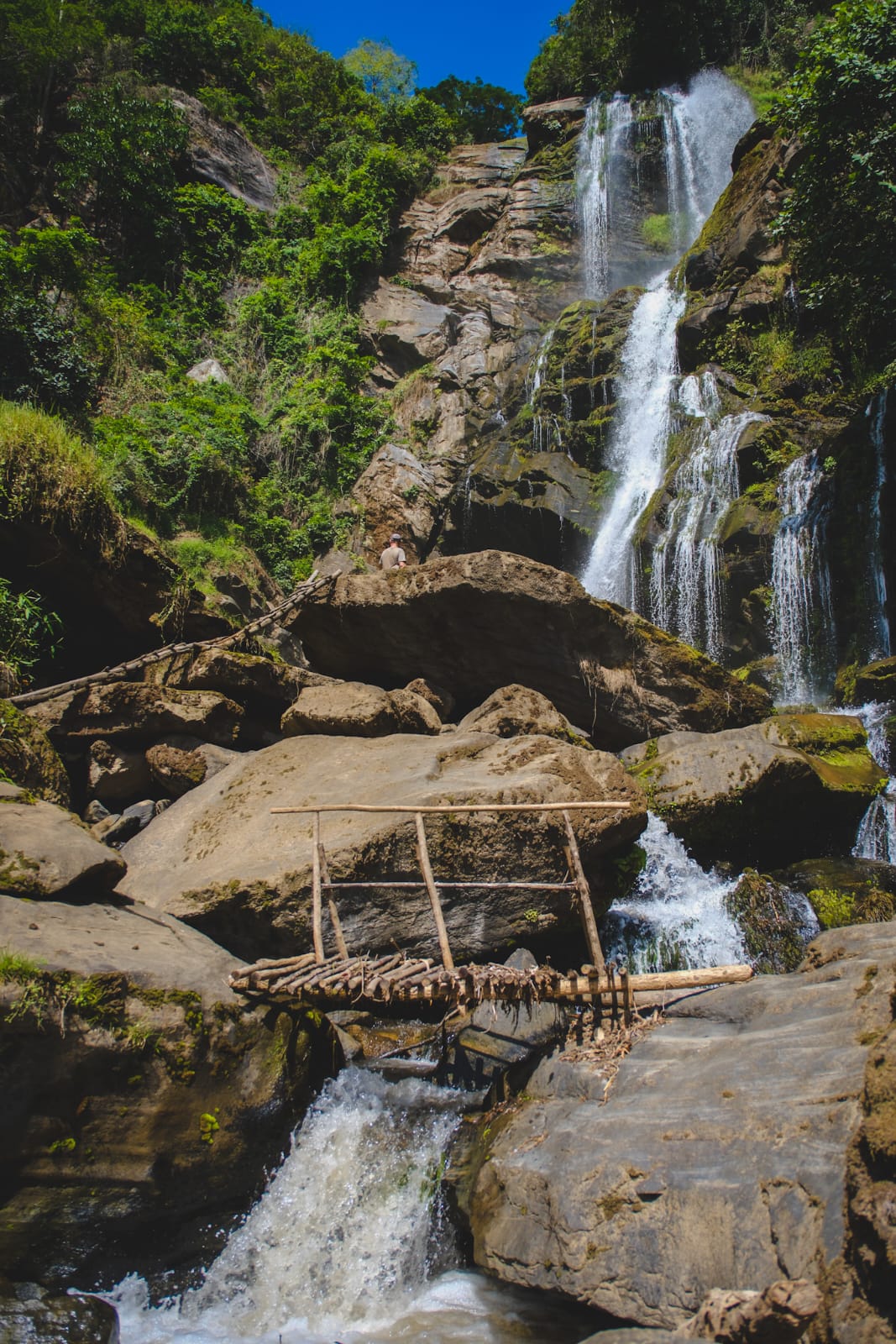
Chizua Waterfall is an existing tourism attraction, while other waterfalls and potential hiking connections have been explored and assessed with local partners as opportunities to expand nature-based tourism.
Working with the Uvidunda Mountains Cultural Tourism Enterprise, Ecolegacy Africa Limited and local communities, TRCO is exploring a model in which protecting the catchment helps conserve rivers, forests, waterfalls and scenic landscapes while tourism creates livelihood opportunities and contributes resources toward continued conservation.
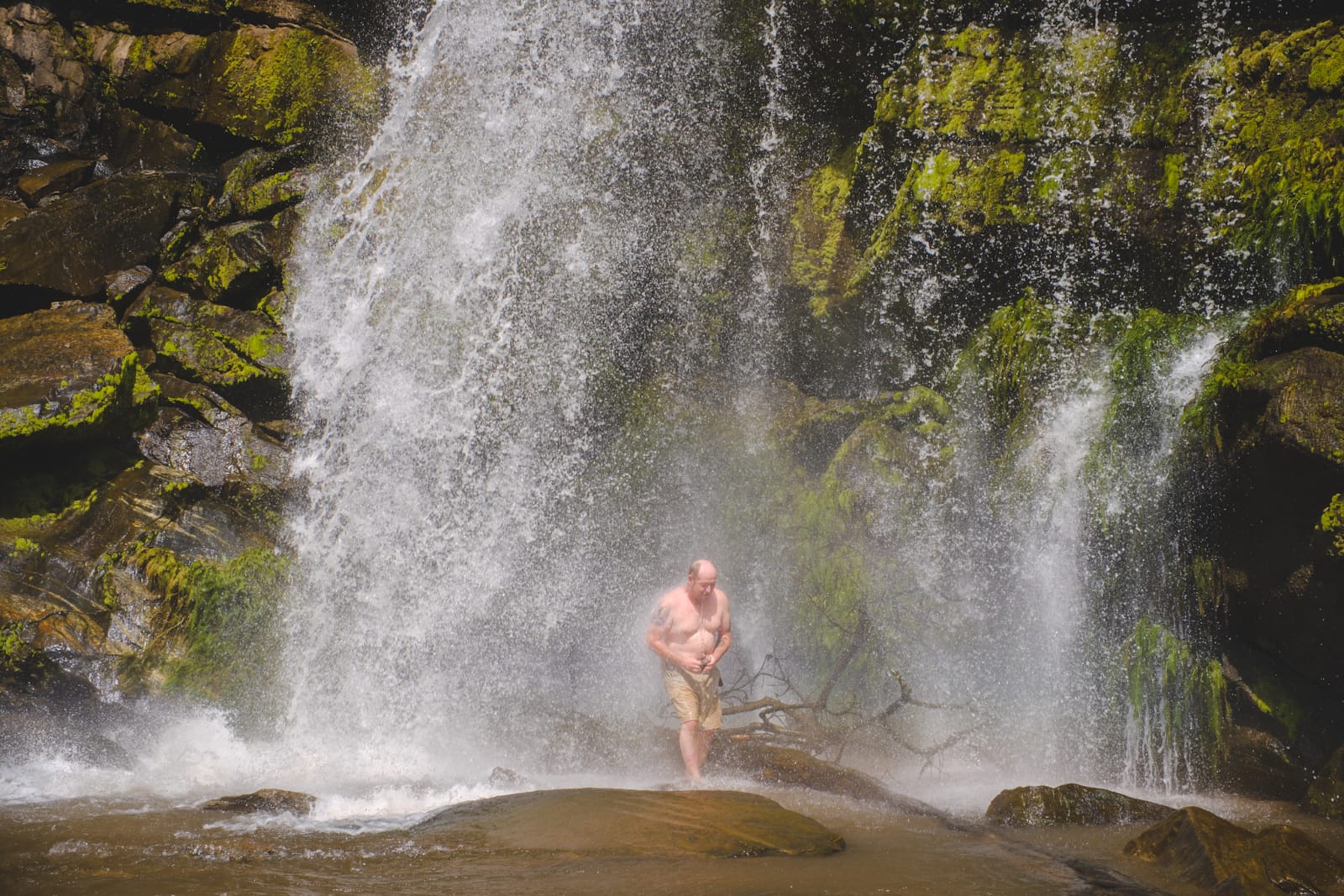 Chizua Waterfall, Uvidunda Mountains, Morogoro Region.
- 1Restore the catchment
- 2Protect natural assets
- 3Strengthen nature-based tourism
- 4Create community benefits
- 5Support continued conservation
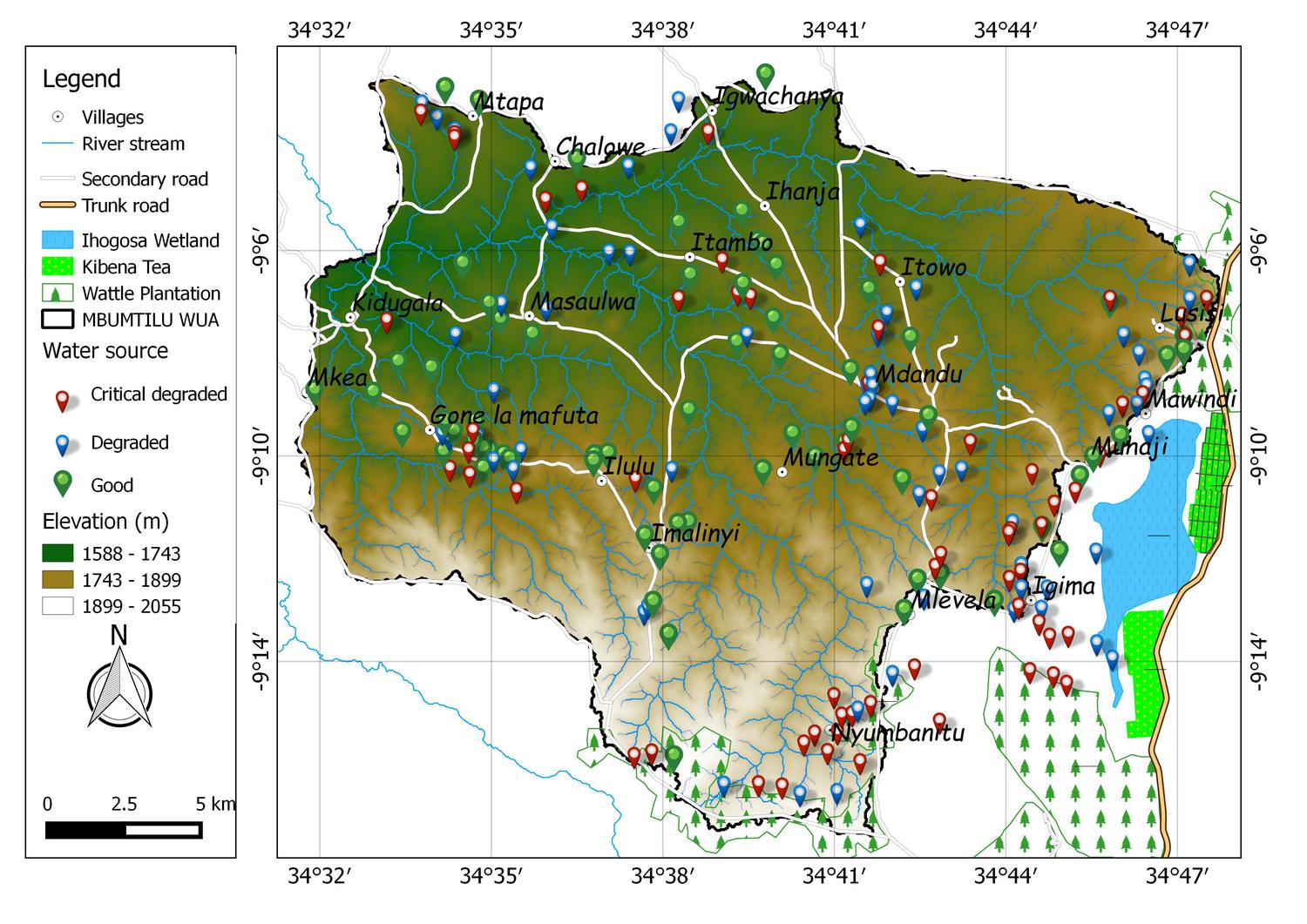 Condition of water sources in the Mbarali River catchment, Mbeya Region, classed as critically degraded, degraded or good.
Mbarali River Catchment
In the Mbarali River catchment, Mbeya Region, TRCO has worked with communities and partners to restore degraded freshwater sources and riverine areas.
Approximately 30,000 water-friendly trees were planted within degraded freshwater sources and along the Mbarali River through collaborative restoration activities involving local communities, schools, government institutions, universities and other stakeholders.
The initiative combines restoration with awareness and community participation to strengthen the protection of freshwater ecosystems and the resources on which surrounding communities depend.
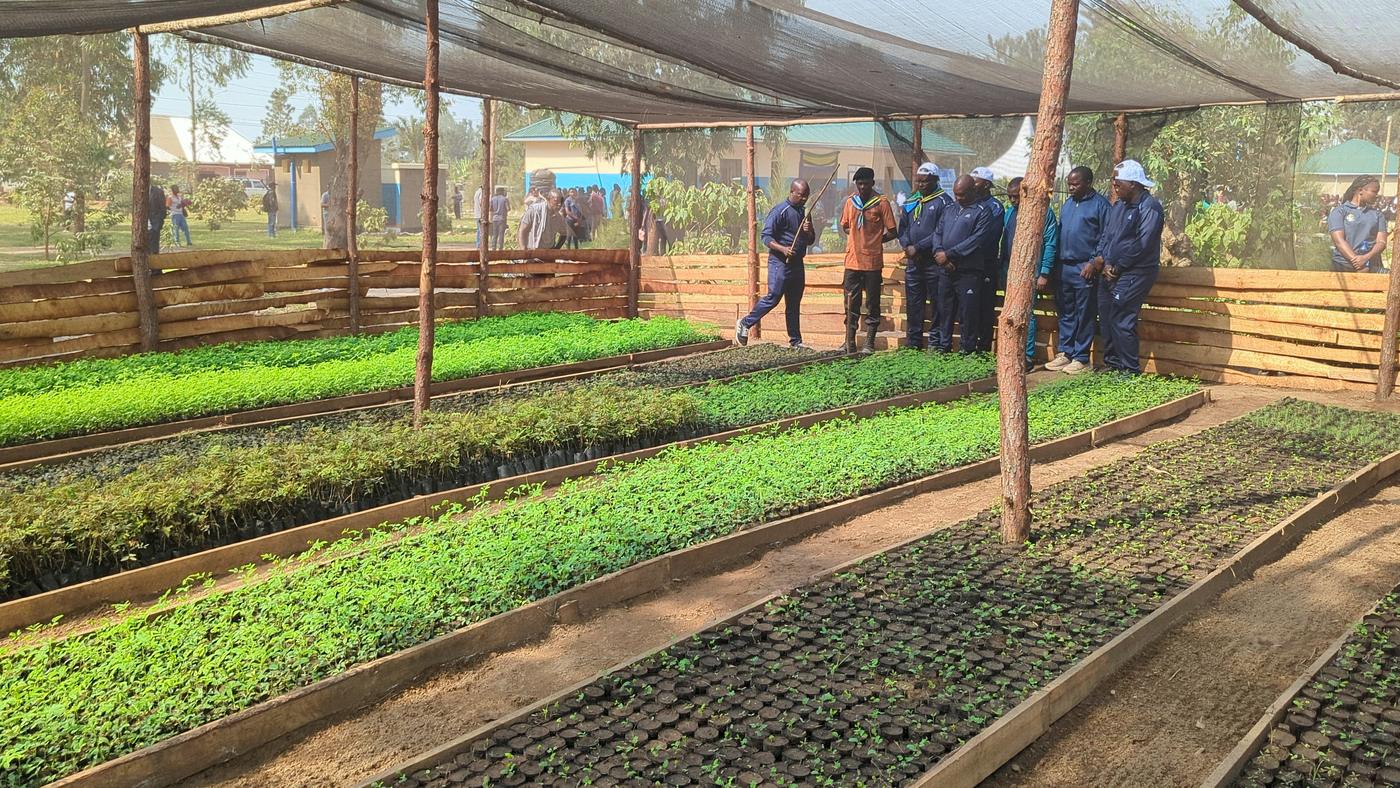 Tree nursery established by TRCO in partnership with Missenyi District Council, Missenyi District, Kagera Region, June 2024.
Minziro Landscape
Around Minziro Nature Forest Reserve in Missenyi District, Kagera Region, TRCO has supported community-based habitat restoration alongside its biodiversity conservation work.
Approximately 50,000 native tree seedlings were produced for distribution and planting within surrounding communities. The initiative contributes to habitat restoration while supporting conservation of pangolins and other biodiversity associated with the landscape.
This work demonstrates how restoration can complement species conservation by addressing the condition of the habitats on which wildlife and communities depend.
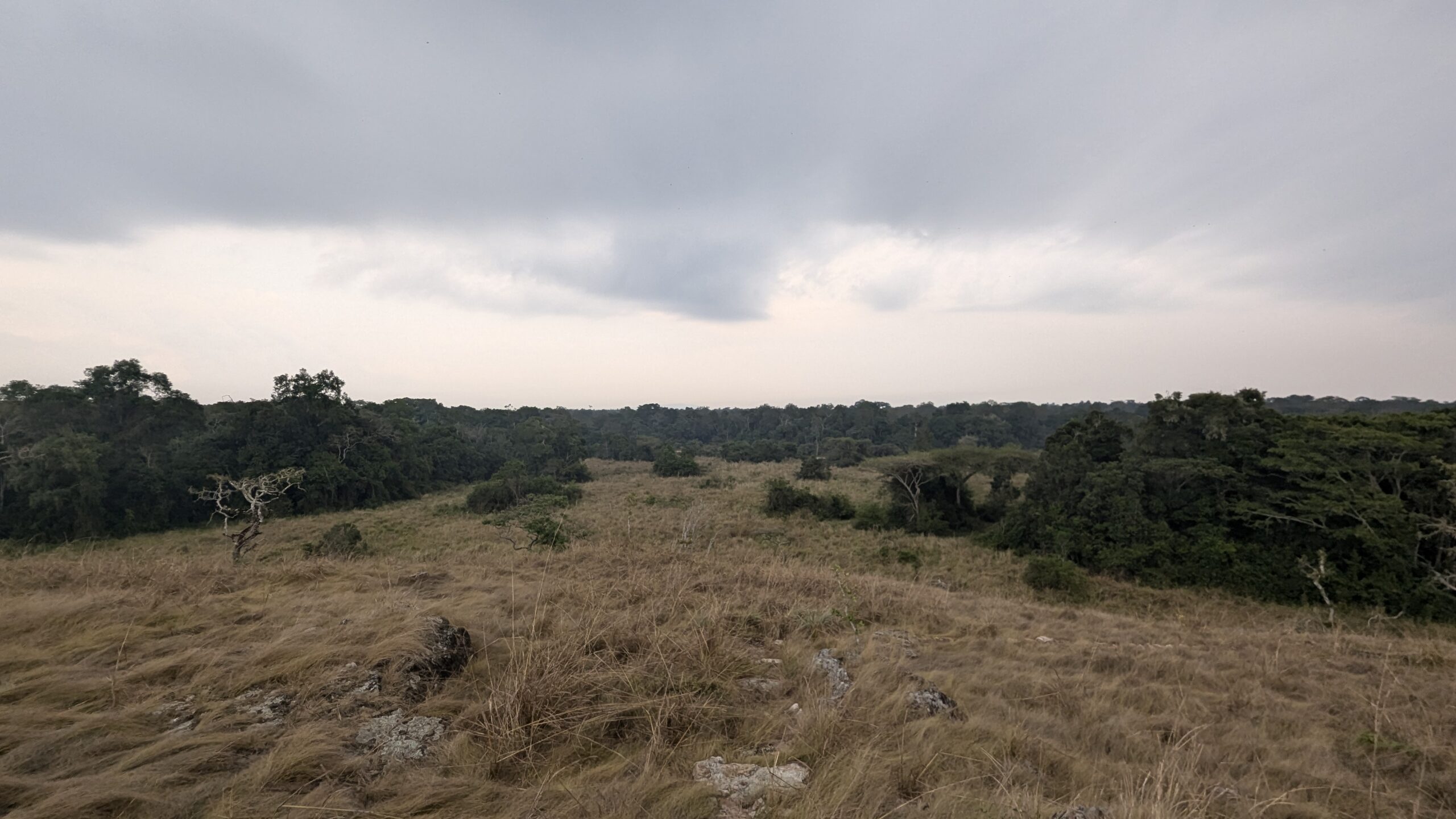 Minziro Nature Forest Reserve, Missenyi District, Kagera Region.
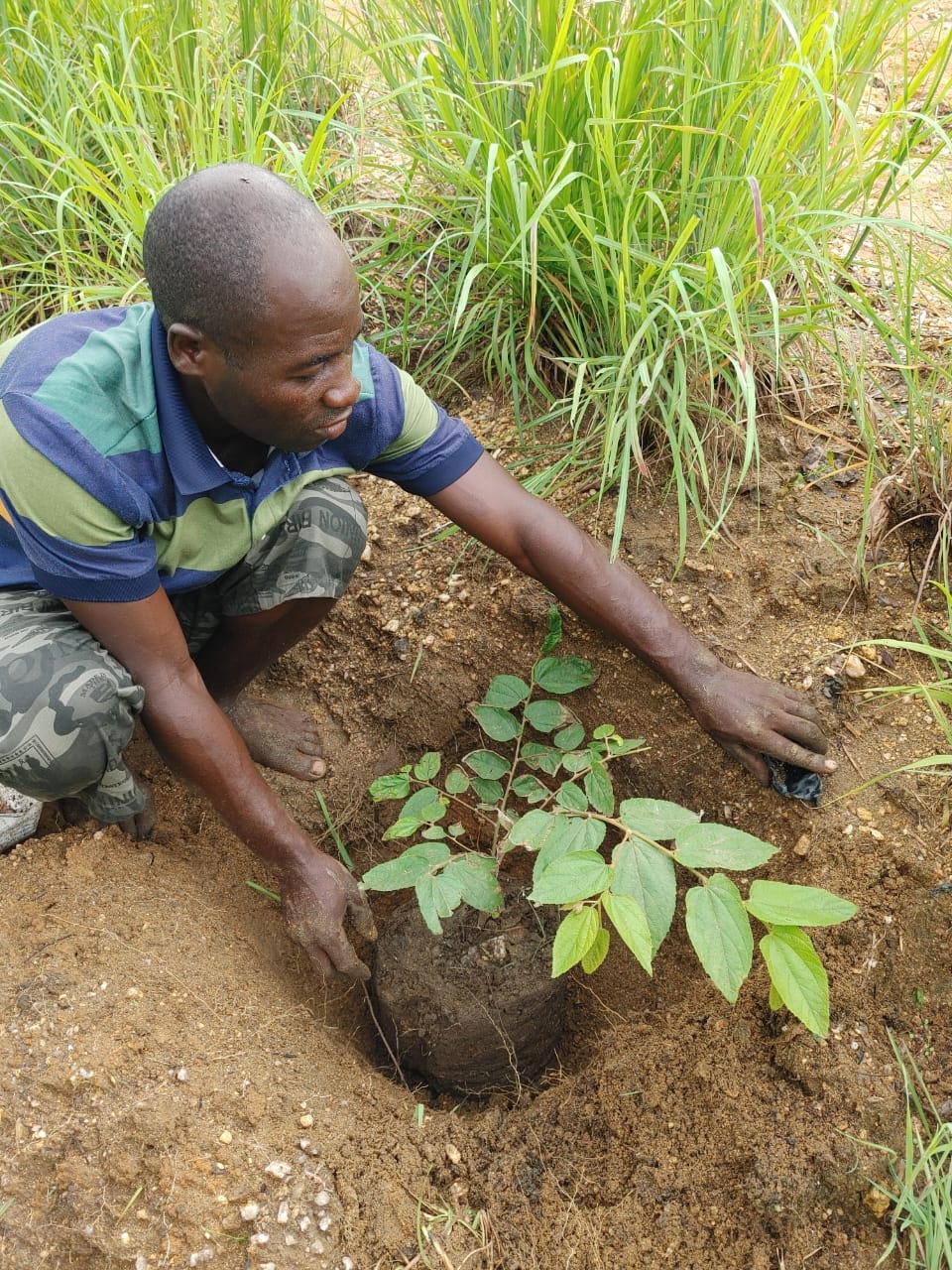 Local community member planting a tree seedling, Msowelo village, Morogoro Region.
Communities at the Centre
Community participation is central to TRCO’s restoration approach.
We work with village governments, community groups, farmers, women and young people in restoration planning, nursery establishment, seedling production, planting, maintenance and monitoring.
By strengthening local skills and ownership, TRCO aims to ensure that restoration continues beyond individual planting campaigns and develops into long-term community stewardship of restored landscapes.
Restoration in Action
Our restoration activities include:
- Community nurseries and native seedling production
- Restoration of degraded riverbanks and freshwater sources
- Native and locally appropriate tree planting
- Agroforestry and erosion-control measures
- Restoration of degraded wildlife habitats
- Community-led planting, maintenance and aftercare
- Ecological assessment and monitoring
- Environmental awareness and capacity building
- Integration of restoration with sustainable livelihood opportunities
Our restoration programme continues to grow as we work with communities and partners to identify priority landscapes where ecosystem recovery can generate lasting benefits for biodiversity, water resources and local livelihoods.
Related Success Stories
Partner with our restoration programme
For more about TRCO’s restoration work, please reach us through info@trco.or.tz