

Human-elephant conflict continues to be a major challenge for communities living around the Burigi-Chato landscape. For many farmers, elephants entering their farms can mean damaged crops, lost income, and sometimes difficult and frightening encounters.
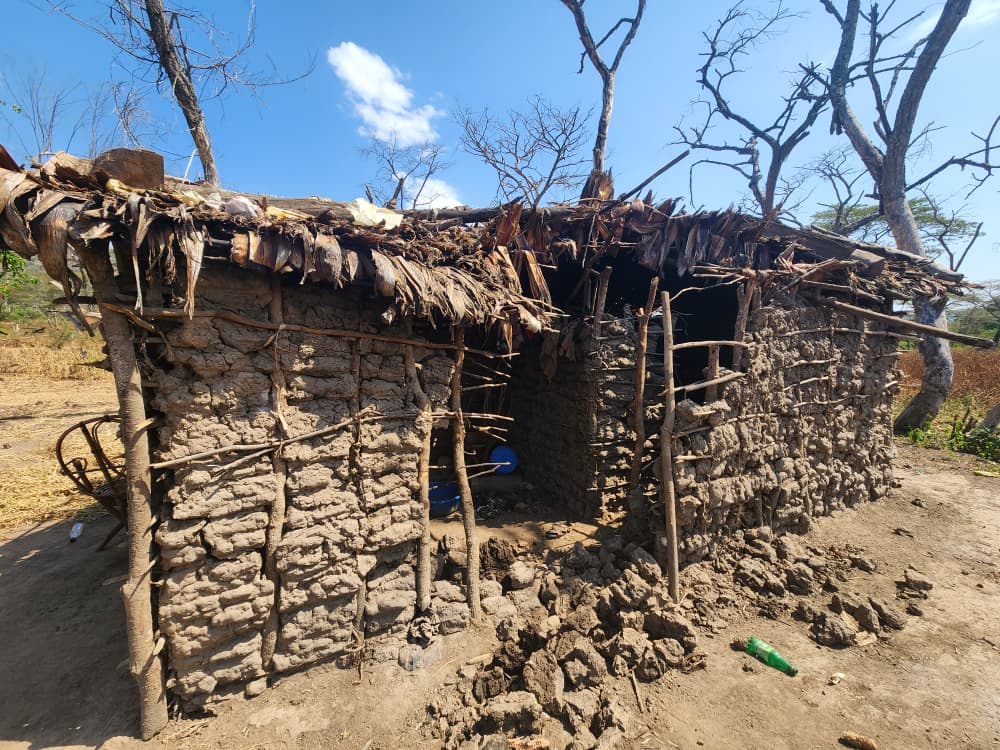
At TRCO, we have been working with communities in villages around Burigi-Chato National Park to better understand how elephants use areas outside the park and where these encounters are more likely to happen.
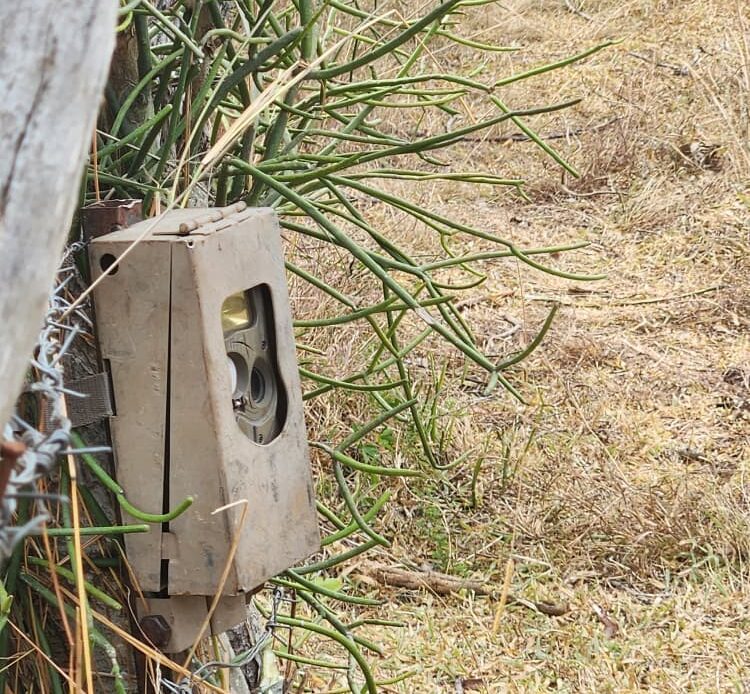
One of the things we have been doing is deploying camera traps on community land. These cameras are helping us see where elephants are moving, which areas they use regularly, and how they move through farms and other parts of the village landscape.
Working with the Communities
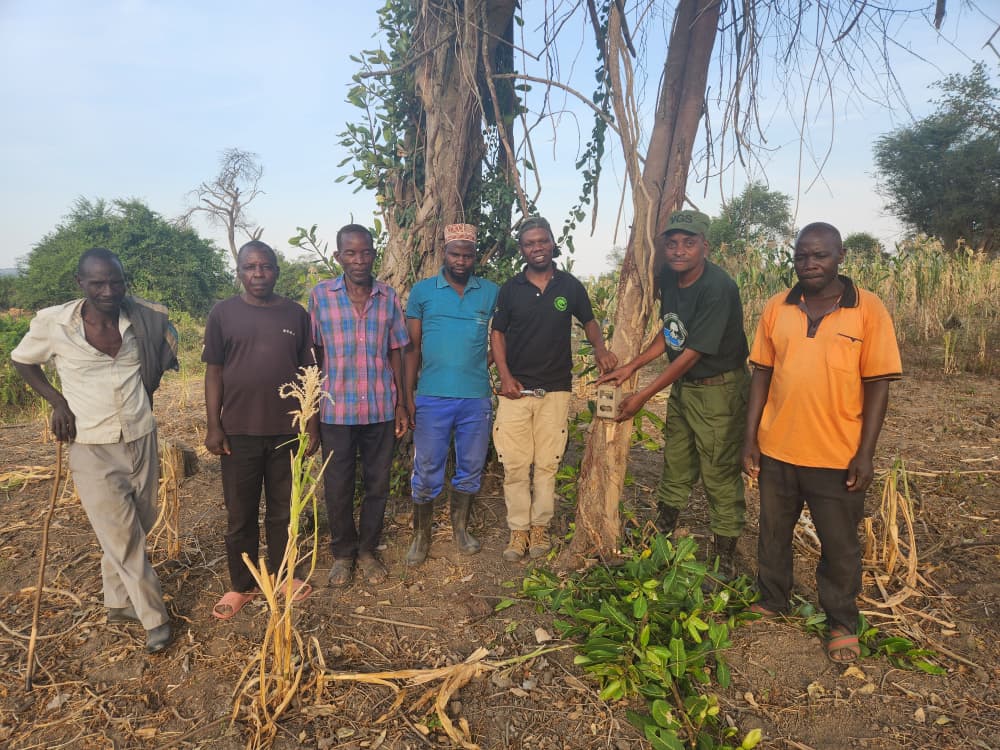
An important part of this work is that we are not doing it alone. The camera traps are being managed with the involvement of community members. Local people are helping with placing the cameras, checking them, and making sure they remain safe.
This has been very important for the project. People living in these villages know their land very well. They know where elephants normally pass, which farms are more frequently affected, and how things change during different seasons. Their knowledge helps us understand what we are seeing from the cameras and gives us a much better picture of what is happening on the ground.
For us, this is not only about collecting data. It is also about building a relationship with the communities and making sure that the people who are directly affected by human-elephant conflict are part of finding solutions.
What We Are Learning
The camera traps are giving us a better understanding of elephant movements across community areas. The information will help us identify places where elephant activity is more common and where mitigation efforts could be most useful.
The next step is to use this information to test a mitigation approach aimed at reducing elephants entering farms.
With support from San Diego State University and the Grumeti Fund, TRCO will be working with communities to test this approach in selected areas and learn how effective it is on the ground.
We know that there is no single solution to human-elephant conflict. What works in one area may not necessarily work in another. That is why we want to continue learning from the communities, collecting evidence from the field, and testing practical solutions.
This work is ultimately about finding better ways for people and elephants to share the same landscape.
We will continue sharing updates as the project progresses and as we learn more from the field.